Bringing Life Back to Weathered Wood: The Secret of Deep Deck & Fence Finishes
Jacobsen Brothers Painting • August 5, 2026
Intense solar radiation at five thousand feet quickly strips the moisture from exterior wood structures. Homeowners across the Front Range watch their beautiful outdoor installations turn a dull grey color within just a couple of seasons. Jacobsen Brothers Painting tackles this material degradation directly by utilizing specialized deep penetrating oils that restore structural flexibility. Applying a premium fence and deck finish seals the cellular structure of the wood before winter freezing splits the grain completely apart.
True restoration involves diagnosing the underlying cell damage rather than simply covering up the surface. Slapping a cheap topcoat over dry wood traps natural tannins and accelerates internal rot. Relying on professional wood finishing methods stabilizes the timber and keeps your outdoor living spaces looking pristine. Taking a calculated approach to exterior wood care protects your property value and eliminates painful splinters.
What We Cover:
- Diagnosing High Altitude Ultraviolet Wood Bleaching
- Why Store Bought Acrylic Stains Make Spalling Worse
- How Do I Prevent Or Fix Common Painting Problems?
- Restoring Structural Integrity Through Proper Oil Saturation
Diagnosing High Altitude Ultraviolet Wood Bleaching
The ultraviolet rays in Boulder are exceptionally aggressive, breaking down lignin which is the natural glue holding wood fibers together. When lignin destroys itself, the surface fibers loosen up and lift away, creating a fuzzy grey texture that absorbs rainwater like a sponge. You can diagnose this issue by pouring a cup of water onto your deck boards. If the liquid soaks into the timber within thirty seconds instead of beading up, your protective barrier has failed completely.
→ From a professional standpoint: Grey wood is not just dirty, it is a collection of dead cellulose fibers that must be mechanically sanded away before any new coating can bond.
Why Store Bought Acrylic Stains Make Spalling Worse
Homeowners trying to save a few dollars frequently buy cheap, thick acrylic topcoats from local hardware stores. These surface films form a non-porous plastic skin over the wood that looks great for a few weeks but quickly traps moisture underneath. When the temperature fluctuates, that trapped water turns into vapor, expanding and tearing the acrylic skin away in massive flakes. This peeling cycle exposes the raw timber to direct sun damage, accelerating the splitting process.
This attention to material selection and surface preparation is a pattern the team at Jacobsen Brothers Painting hears regularly from local families.
►Client Experience: Angie Payne shared "Our experience working with Josh, Luis & Ty at Jacobsen Brothers Painting was exceptional from beginning to end. Luis & Ty were so patient with our indecision about a few things during the sanding, painting and staining, and they were both incredibly professional throughout their entire time here in our home."
Hiring a crew that takes the time to handle difficult wood conditioning correctly prevents the rapid peeling associated with cheap DIY products, just as Angie experienced.
How Do I Prevent Or Fix Common Painting Problems?
You prevent common finishing failures by strictly adhering to moisture limits and using the correct coating type for the specific job. For exterior wood, avoiding solid film forming paints on horizontal walking surfaces is essential. If you notice bubbling or early flaking on your property, the underlying cause is almost always trapped moisture or a failure to remove old, failing coatings before applying the new layer. Fixing these issues requires a complete mechanical strip down, thorough sanding to open up the wood pores, and matching the proper oil or latex formula to the specific wood species.
Restoring Structural Integrity Through Proper Oil Saturation
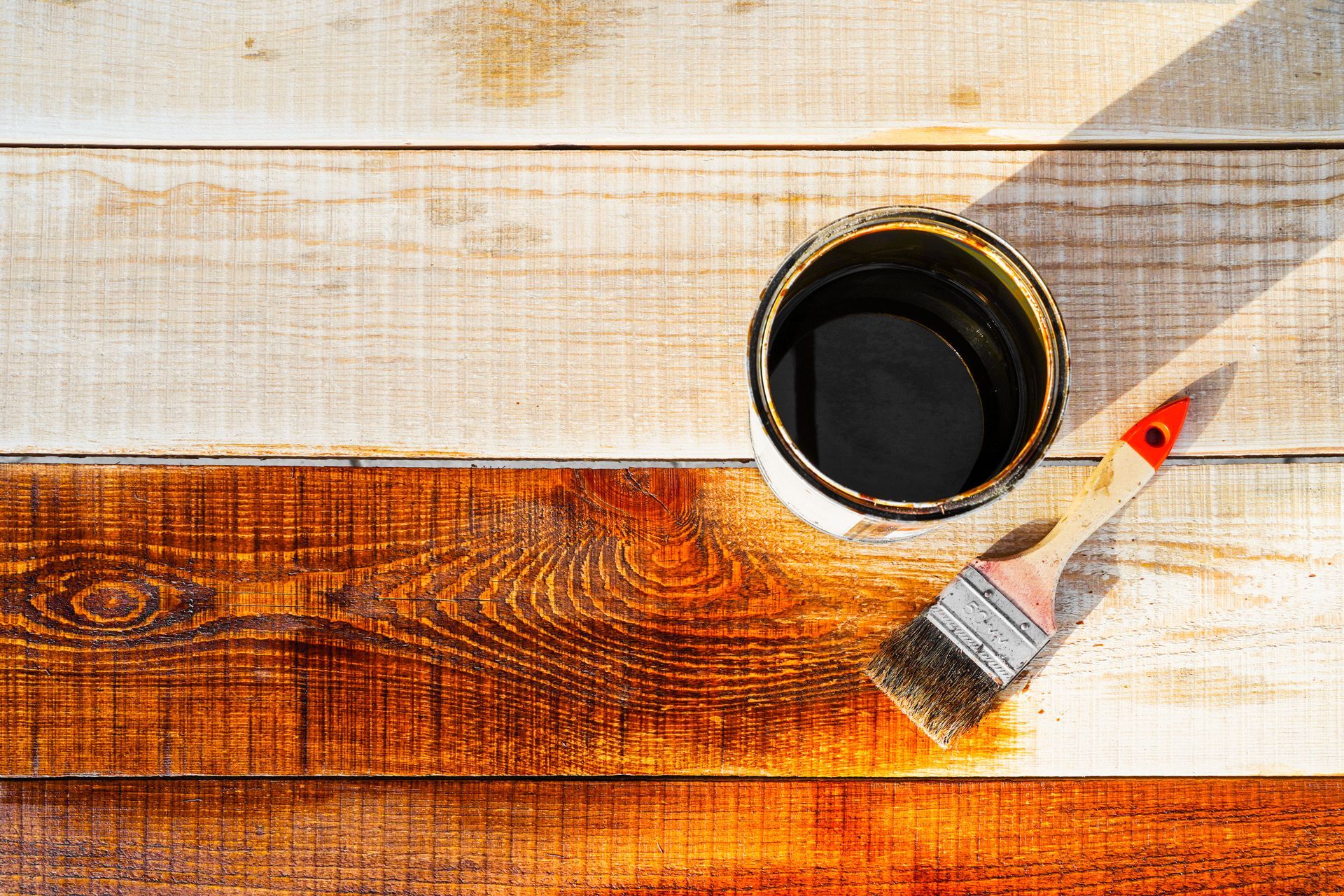
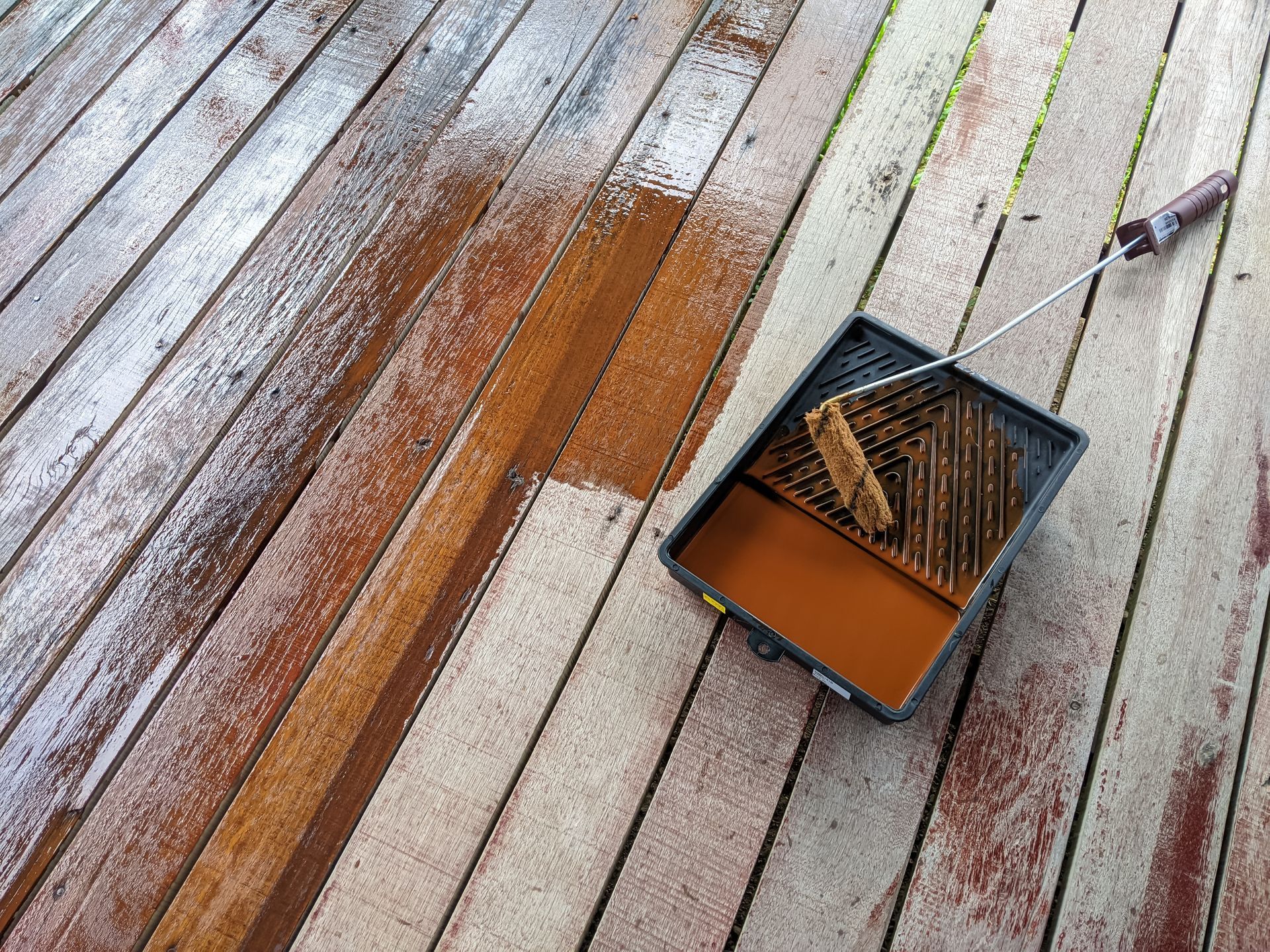
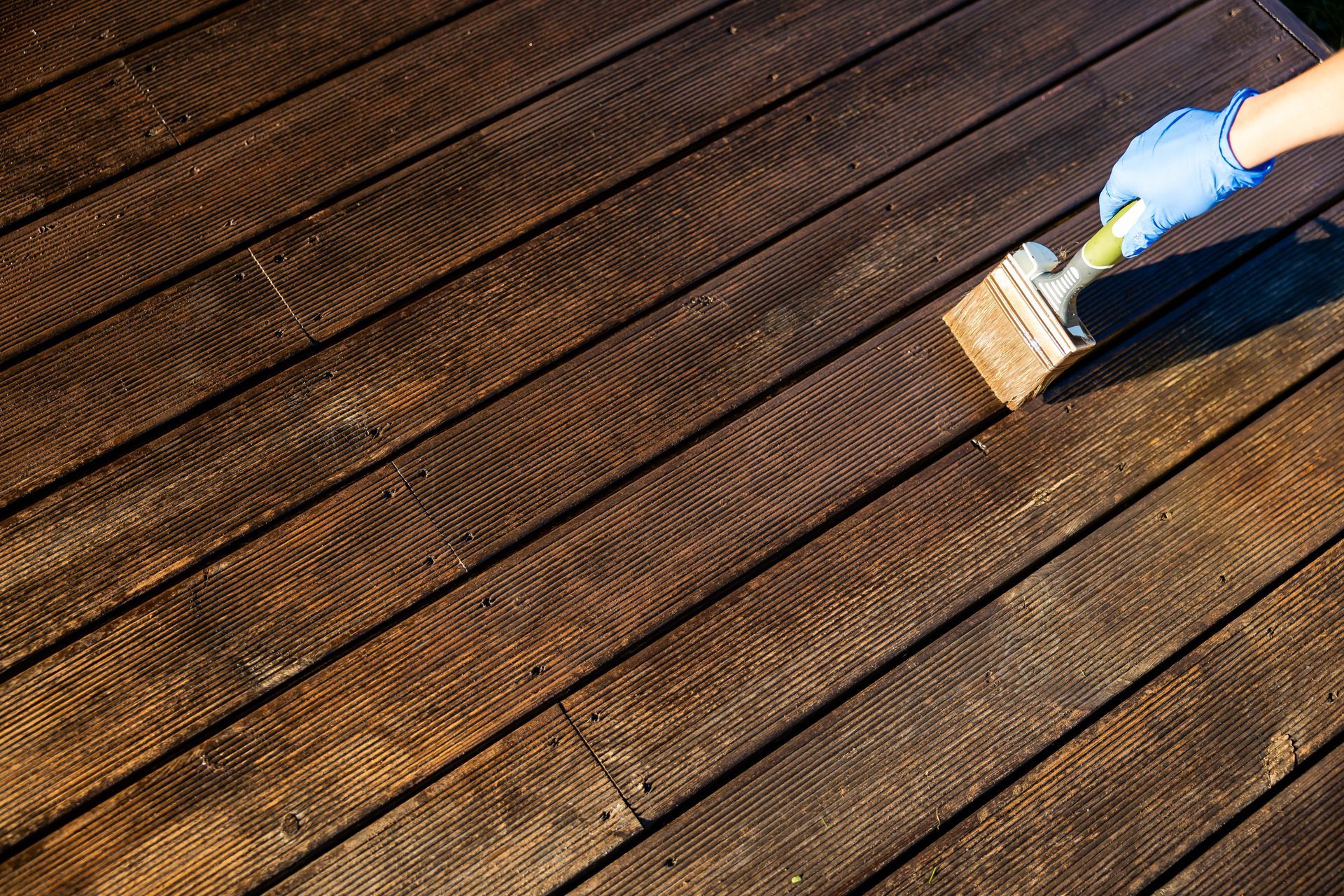
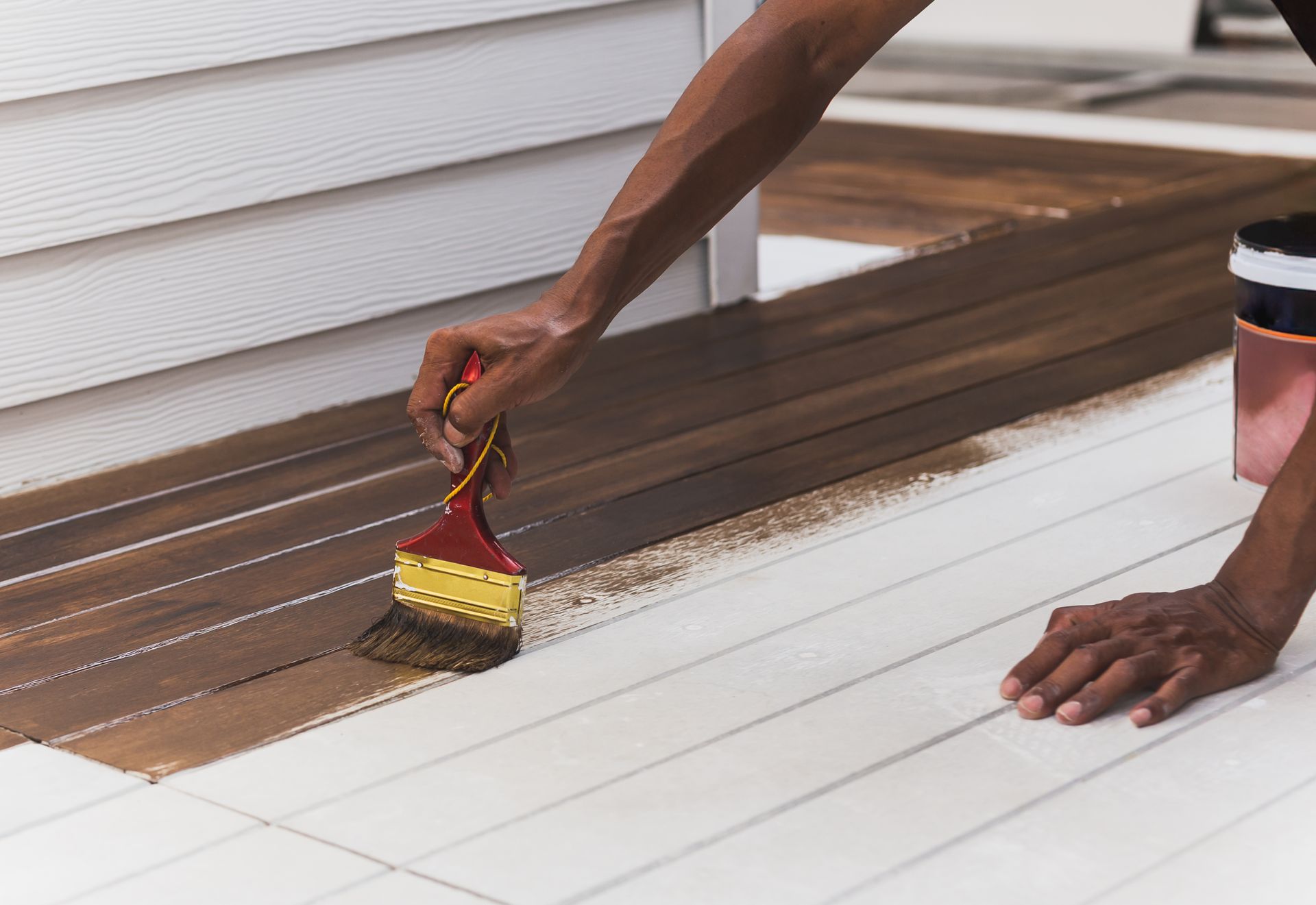
Conquering high altitude wood bleaching requires using deep penetrating oil stains instead of thin surface paints. We use a multi-step process that strips away dead cellulose and conditions the wood to receive a high-solid finish. These premium oils soak directly into the grain, replacing the lost natural sap and restoring deep structural flexibility. This barrier stops water from soaking in while allowing the timber to breathe naturally.
→ A quick tip to remember: Always ensure your exterior wood registers below twelve percent moisture content on a digital meter before applying any oil based protective sealants.
Protecting Your Outdoor Investment
You do not have to live with a grey, splitting deck that threatens your family with splinters. Implementing an expert conditioning and oiling process keeps your outdoor structures beautiful all year long. Contact our office today to get your written restoration estimate within twenty four hours.
Share This Blog