Wall Painting Mistakes and How To Fix Them
Jacobsen Brothers Painting • October 3, 2022
Wall Painting Mistakes and How To Fix Them
So, you're ready to paint your walls. You've picked out the perfect color and you're all set to go. But wait! Before you start painting, there are a few things you need to know to avoid a poor paint job.
When you're painting your walls yourself, it's inevitable that you'll make a few mistakes here and there. Don't worry as most of these mistakes can be easily fixed with a little bit of elbow grease and maybe a trip to the store for some supplies. In this blog post, we'll go over some wall painting mistakes and how to fix them. By the end, you'll be an expert at painting your own walls like a pro!
Trim Mistakes
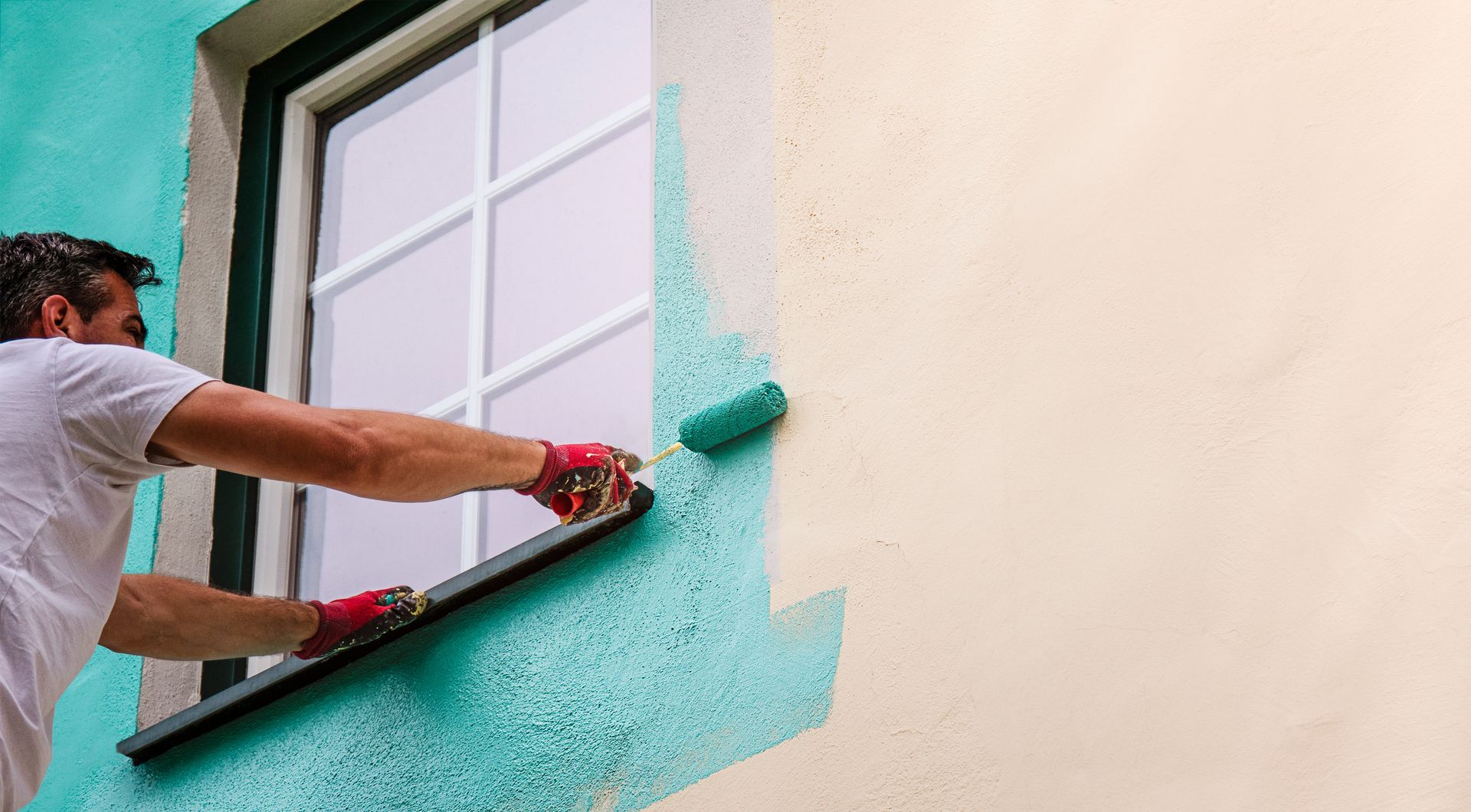
One of the most common wall painting mistakes is getting paint on the trim. The best way to avoid this mistake is to tape off the trim before you start painting. Once you've taped off the trim, cut in around the edges of the room with a brush. Then, fill in the rest of the wall with a roller. Be sure to remove the tape immediately after finishing painting so that the paint doesn't have a chance to dry on the tape.
If you do accidentally get paint on the trim, no fear! Simply use a razor blade or putty knife to scrape off the dried paint. You may need to touch up the trim with a fresh coat of paint afterward.
Paint Drips and Runs
Another wall painting mistake that's all too common is paint streaks and drips. To avoid this, try using a higher-quality paintbrush. A good paintbrush will help distribute the paint evenly and minimize dripping and running. If you do end up with drips or runs in your paint job, just let them dry completely and then sand them down until they're flush with the rest of the wall. Once they're sanded down, repaint over them and they'll be good as new!
Paint on Ceilings
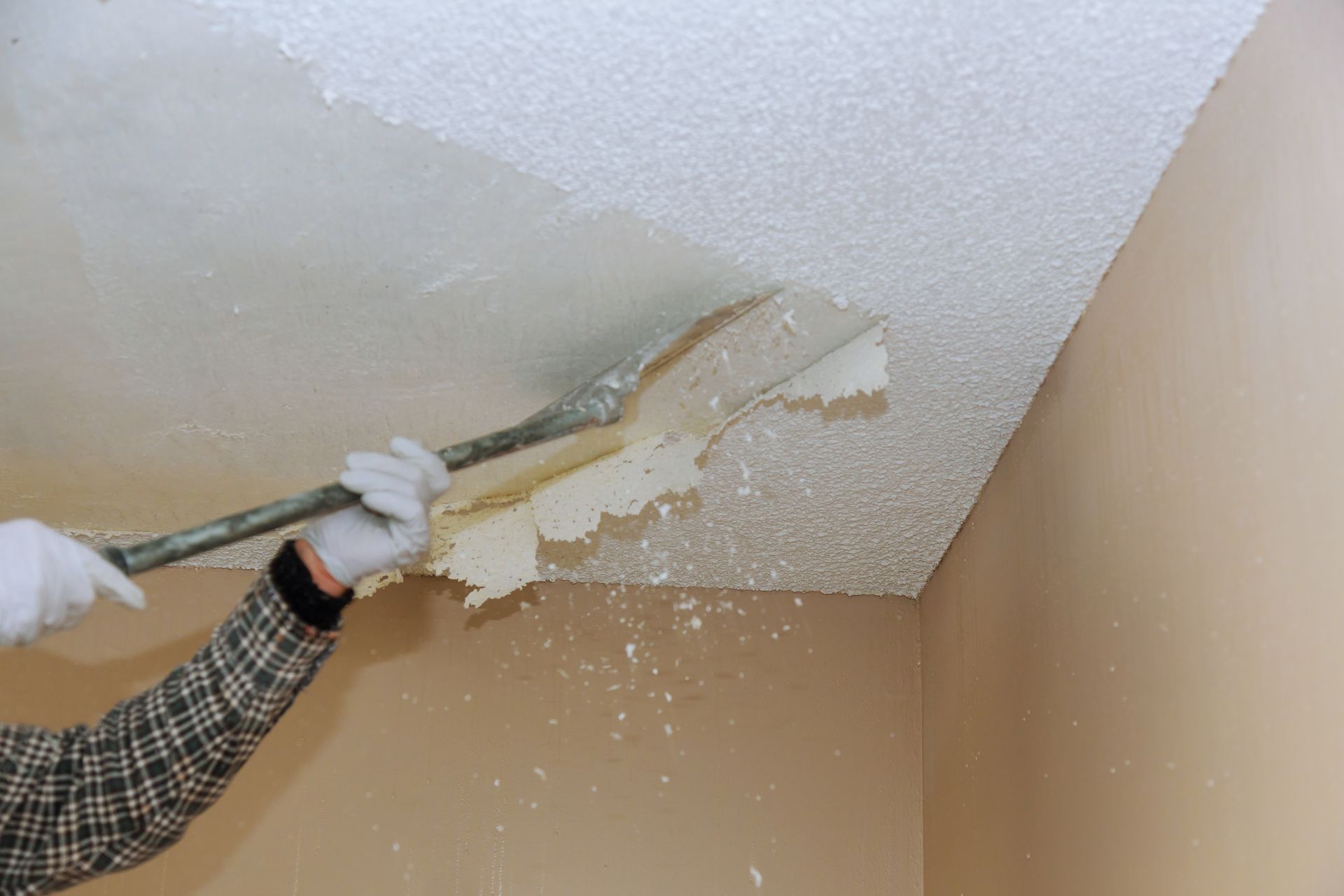
Even if you're careful, you may still end up with paint on your ceiling. There are a few reasons why this can happen. First, paint can drip from the roller when you're painting the walls. Second, paint can splash up from the wall when you're using a brush or roller. Finally, paint fumes can settle on the ceiling, leaving behind a thin layer of paint. While it's frustrating to find paint on your ceiling, it's usually not difficult to remove. Be careful not to damage the finish on your ceiling while you're scrubbing off the paint.
Roller Marks
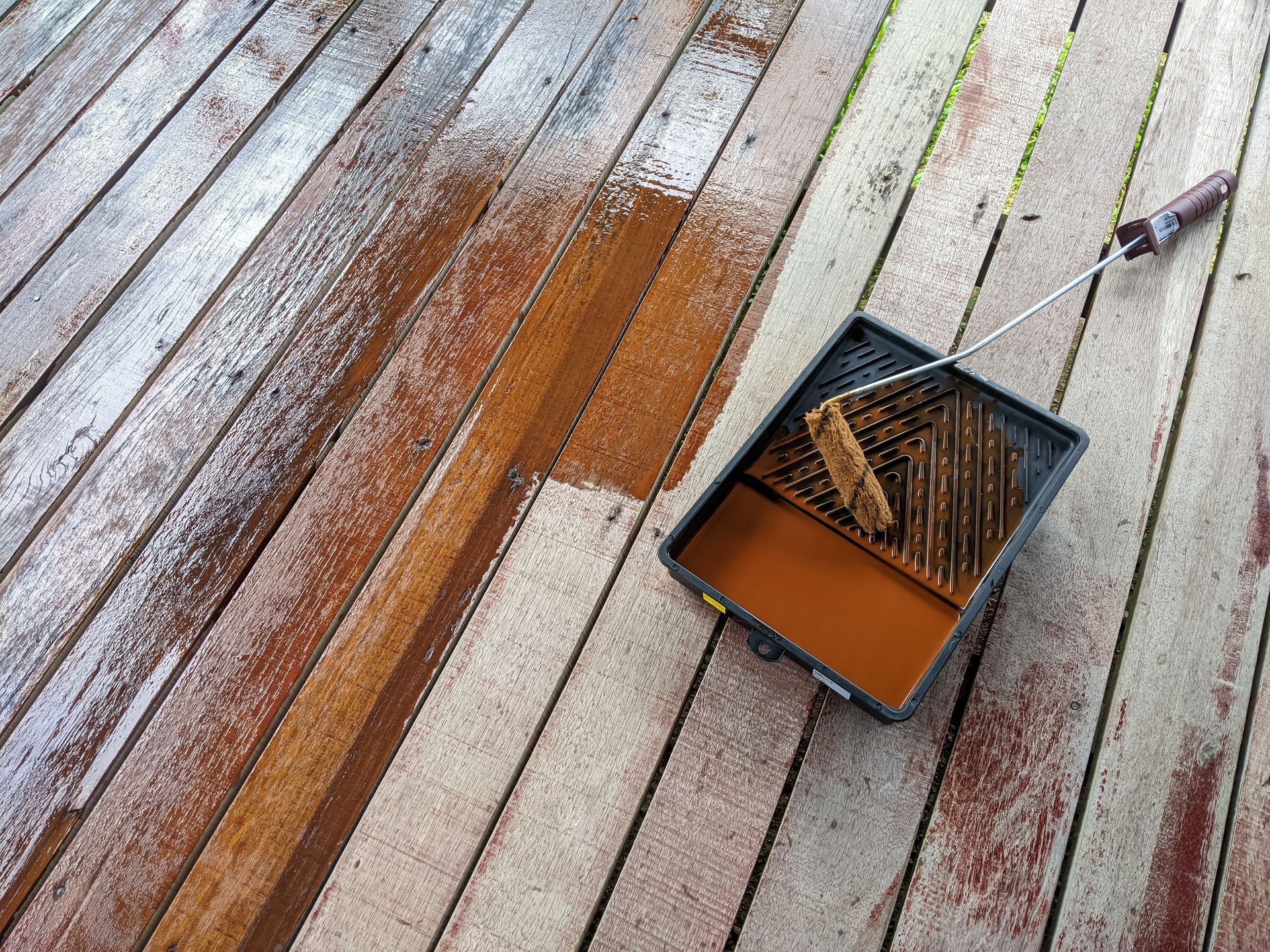
Roller marks are created when you don't evenly distribute the paint on your roller before applying it to the wall. To avoid paint marks, load up your roller with paint and then roll it back and forth on your tray a few times before applying it to the wall. This will help ensure that the paint is evenly distributed and that you won't end up with any unsightly roller marks!
Paint Splatters
Last but not least, one of the most common wall painting mistakes is splatters—where small droplets of paint end up outside of where you intended them to go! This usually happens when you have too much paint on your brush or roller. To avoid this mistake, make sure that you're not overloaded with paint before starting to apply it to your walls. Also, be sure to wear old clothes that you don't mind getting dirty and use a drop cloth or other protective measure to catch paint splatters.
Get Started on Your Next Painting Project Today!
Avoiding these five common mistakes will help you achieve a professional-looking paint job that you can be proud of. If you need any help with your next painting project, be sure to give us a call us at 303-449-3239 or fill out our
online contact form
to book an appointment. Our team at Jacobsen Brothers Painting would be happy to help!
Share This Blog